Arion Kurtaj, the GTA VI leaker, is sentenced to seven years and freed the same day
Kurtaj admitted attacks on Rockstar, Uber, Revolut and BT/EE. Woolwich Crown Court in London decided that the time he had already spent in detention was enough.

Tuesday, 24 November 2026
Cyberattacks on companies, public services and infrastructure: what happened, which data was exposed and how the response is going.
Kurtaj admitted attacks on Rockstar, Uber, Revolut and BT/EE. Woolwich Crown Court in London decided that the time he had already spent in detention was enough.

The company names four types of data and says there are no contact details or cards. It does not say when it detected the attack or how many customers were hit.
The attack hit Korea Electric Power's customer portal and its procurement platform. South Korea's regulator has opened an inquiry and the company has not said how the attacker got in.
According to the British agency, what has changed is the speed and persistence of the attackers, at low cost. The tools are common and, for now, easy to detect; defence still depends on the basics.
The flaw was found while N-able investigated an attack on its email-filtering service. The deadline binds only US federal agencies, and how the attackers got in is still unexplained.
The attacker had persistent access, GreyNoise says, and used a flaw patched in July. How it reached the servers, and whether victims had installed the fix, is unknown; Portugal is not on the list.
The new flaw, CVE-2026-123903, bypasses vCenter authentication, and the advisory mentions no attacks. The previous one, CVE-2026-123890, has been used since September by a suspected China-linked espionage group, according to Google.
The agents failed for 16 hours against a Redis server and took 11 minutes to reach file writes in a medical imaging application. Amazon has high confidence that the flaw was unknown and moderate confidence in the China link.
Wired’s total adds 1.64 billion documents from a China-focused database to about 2 billion credentials from another, unrelated one. Who owned them and how many distinct people they contain is not known.
The company, which handles online purchases and subscriptions for other businesses, detected the access on 4 November and began warning those affected on 20 November. In a minority of cases the data included the card’s security code.
Okta concludes that the O-UNC-053 group has “very likely” changed its brand while keeping its methods. The new site lists seven companies, none has confirmed an attack and Okta cannot say whether the data is authentic.
Elecbrakes trailer brake controllers accepted commands from any device within Bluetooth range. CISA, the US cybersecurity agency, published its advisory on 19 November; the oldest model still has no fix.
Cisco fixed the flaw in October, but the US cybersecurity agency now lists it among those exploited in real attacks. Cisco says it has no direct evidence, while the firm F6 describes an intrusion.
Microsoft closed the access path on 19 November but warns that this does not invalidate credentials already copied. Norway’s security authority is telling customers to replace them.
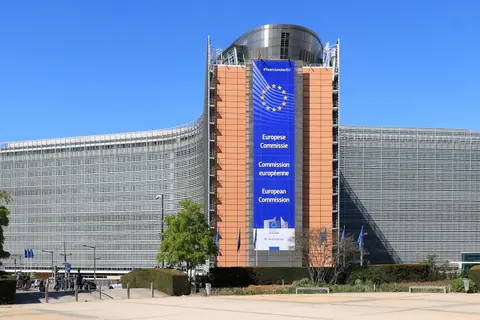
The learning platform has been switched off and users were told only through a notice on its website. The Commission does not yet know how many people are affected and will not say whether the intrusion is over.
The agency says it is preparing to restore the system by alternative means and that certificates already issued remain valid. It is still unknown whether personal data was accessed.
Restoring a page and recovering a service are different milestones. Portugal’s IMT incident illustrates why public updates should preserve that distinction.
Lyntev uses technical storage to remember this choice and provide the services you request.
Essential storage keeps the website working. Your choice is valid for six months. Read the cookie policy.