KEPCO confirms data theft that may affect 1.52 million users in South Korea
The attack hit Korea Electric Power's customer portal and its procurement platform. South Korea's regulator has opened an inquiry and the company has not said how the attacker got in.
Key points
- KEPCO confirmed on 22 November the theft of data on 650,487 users of its KEPCO ON customer portal and notified all 869,761 users of its SRM procurement system: about 1.52 million in all.
- From KEPCO ON, names, resident or foreigner registration numbers, phone numbers and bank account or card information were taken, according to the regulator.
- On SRM, the company notified every user because it could not pin down the access: they are company representatives and staff of KEPCO and partner firms.
- The attacker wrote to KEPCO on 19 November and the company checked samples on 20 November. It says there was no demand for money and, so far, no known secondary damage, such as fraud using the data.
- The South Korean regulator, the PIPC, opened an inquiry on 23 November, with an on-site inspection. The company has not explained how the attacker got in.
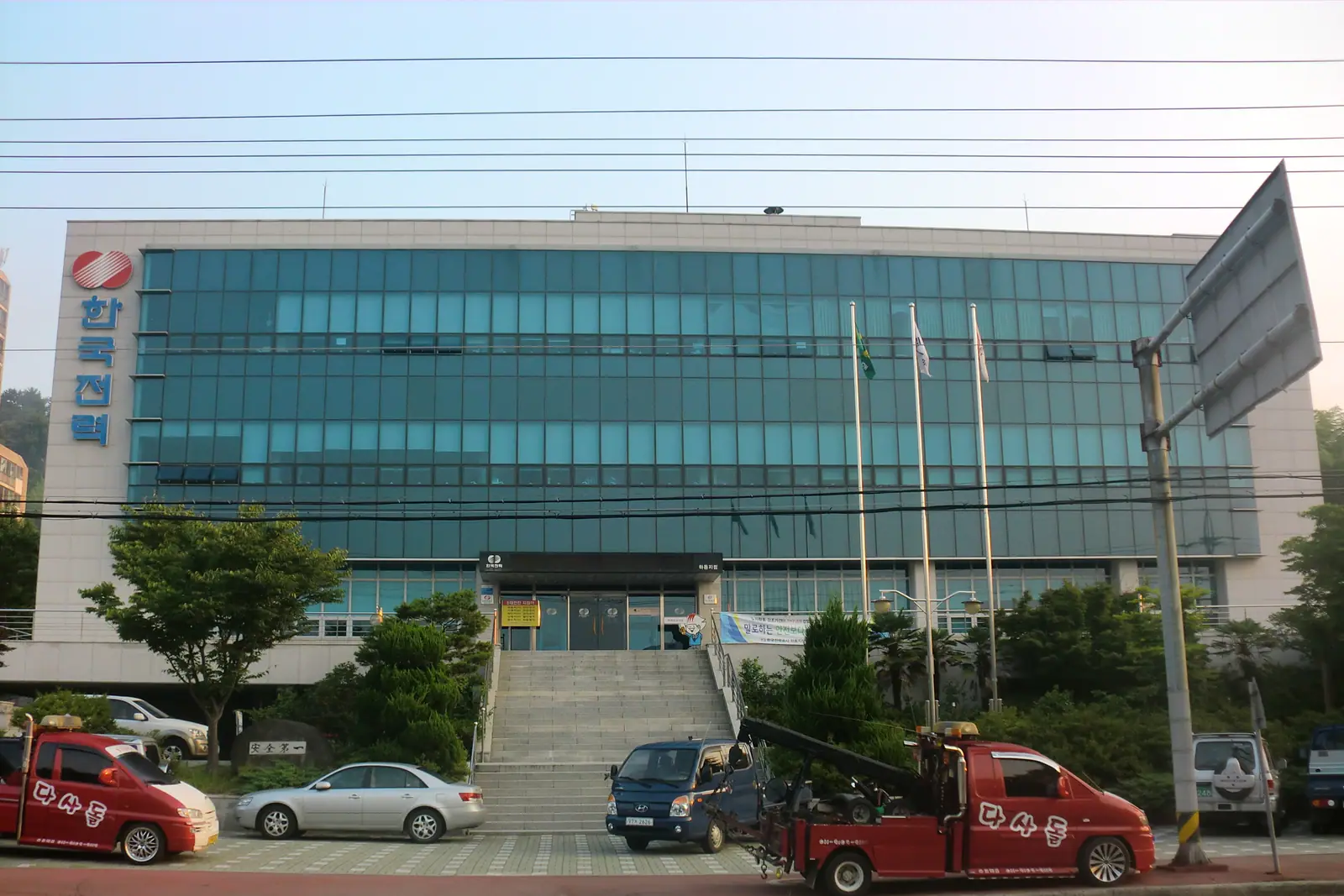
Korea Electric Power Corporation (KEPCO), South Korea’s state-owned utility, has confirmed that an external attacker stole personal data from two systems: its KEPCO ON customer portal and its SRM procurement and contracts platform. Together they account for about 1.52 million users, according to the Korea Times (opens in a new tab), which carries a Yonhap agency report.
The South Korean privacy regulator (opens in a new tab) opened an inquiry on 23 November and says the customer data includes resident registration numbers, which identify each person, and bank account or card information. KEPCO announced the breach the day before, a Sunday, and says it has so far identified no secondary damage, such as fraud using the stolen data.
What KEPCO has confirmed
The company said it learned of the incident on Friday 20 November, blocked access from external addresses and suspended the affected services. It blames an external attacker and points to the growing sophistication of AI-driven cyberattacks but, according to SecurityWeek (opens in a new tab), it did not explain how the attacker got in or confirm that AI was used.
The company’s investigation involves South Korea’s National Intelligence Service, other public bodies and outside experts, according to the Korea Times. KEPCO’s president, Kim Dong-cheol, apologised and promised to improve information-security systems.
The regulator’s inquiry
The Personal Information Protection Commission (PIPC) said KEPCO reported the breach to it at about 6pm local time (9am GMT) on 22 November. The commission has set up an initial response team to carry out an on-site inspection. It will establish how the data got out, how much harm was done and whether the company met its duties under South Korean law on security, notification and reporting. If it finds breaches of the law, it promises penalties.
Its statement recalls that fines on public bodies for data leaks were raised on 11 September, from 2 billion won to 5 billion in serious and repeated cases. It does not attribute the breach to anyone. Together with KISA, the internet security agency, the PIPC says it is monitoring the web to stop the data circulating illegally.
Which data left each system
On KEPCO ON, the portal where customers check and pay electricity bills, 650,487 people were affected. The PIPC lists names, resident or foreigner registration numbers, phone numbers, customer numbers and account or card information. The Korea Times adds tariffs and billing records. SecurityWeek adds addresses, bank names and the names of card issuers and cardholders. Seoul Economic Daily speaks of 12 categories of data and of 9.2 million portal users.
On SRM (supplier relationship management), the procurement platform, KEPCO could not pin down the extent of the access and notified all 869,761 users, assuming their data had left, Seoul Economic Daily reports. They comprise 426,827 company representatives (names, ID numbers, emails and company addresses, according to SecurityWeek) and 442,934 employees of KEPCO and partner firms (names, organisation, employee number, email and phone).
How the case came to light
According to Seoul Economic Daily, a post appeared on 19 November on the dark web, a part of the internet that search engines do not show, claiming the author held KEPCO personal and corporate data. The same day, a person presumed to be linked to the attack emailed the company in English. KEPCO asked for samples, checked them and concluded that SRM had been hacked. The paper adds that, after receiving the samples, the company had no further contact with the author and no demand for money was made.
The PIPC confirms the 19 November email and dates the checking of the samples and of the post to 20 November. According to SecurityWeek, the author of the post also claimed to hold tender and contract documents.
The percentage and the total are calculations from KEPCO’s figures. The sum joins two systems and, because every SRM user was notified as a precaution, the number of people actually affected may be lower. Nor is it known whether anyone is counted in both systems.
What is still unknown
How the attacker got into the systems, and how long they had access, remains unexplained. KEPCO said it will share details of the exposed financial data with the authorities and financial institutions so they step up monitoring. It is also emailing customers about how to avoid identity theft and phone scams.
According to Seoul Economic Daily, customers may seek compensation if they suffer harm; one customer quoted by the paper asks who will take responsibility. It is not clear whether the card numbers were complete.
This is not the company’s first incident in a short time. The Korea Times recalls that a month earlier KEPCO disclosed a separate leak affecting 35,528 people: staff past and present, plus employees of partner firms. The paper also places the case in a series of leaks at financial institutions and public bodies. In the financial sector, 37 companies reported about 473,000 cases between 30 September and 3 November.
Sources
Documents and reporting consulted for this story.
- 개인정보위, 한전 개인정보 유출사고 조사 착수 (comunicado de 23 de novembro de 2026) (opens in a new tab)PIPC (Coreia do Sul), . Primary source. Accessed 24 November 2026
- 1.5 Million Impacted by Data Breach at South Korean Electric Company KEPCO (opens in a new tab)SecurityWeek, . Accessed 24 November 2026
- KEPCO reports another massive data breach (opens in a new tab)The Korea Times (Yonhap), . Accessed 24 November 2026
- Hackers Steal Data of 650,000 KEPCO Customers (opens in a new tab)Seoul Economic Daily, . Accessed 24 November 2026
- KEPCO Suffers Leak of 1.52 Million Personal Data Records (opens in a new tab)SBS News, . Accessed 24 November 2026
Topics

Written by
Wellinton OliveiraCEO of Lyntev
Technology with context, original analysis and sources you can consult.