
Europe mobilises technology funding: what the STEP report actually tells businesses
Europe’s review shows the scale of strategic technology priorities. For a business, an opportunity begins with a specific funding call, rather than the headline total.
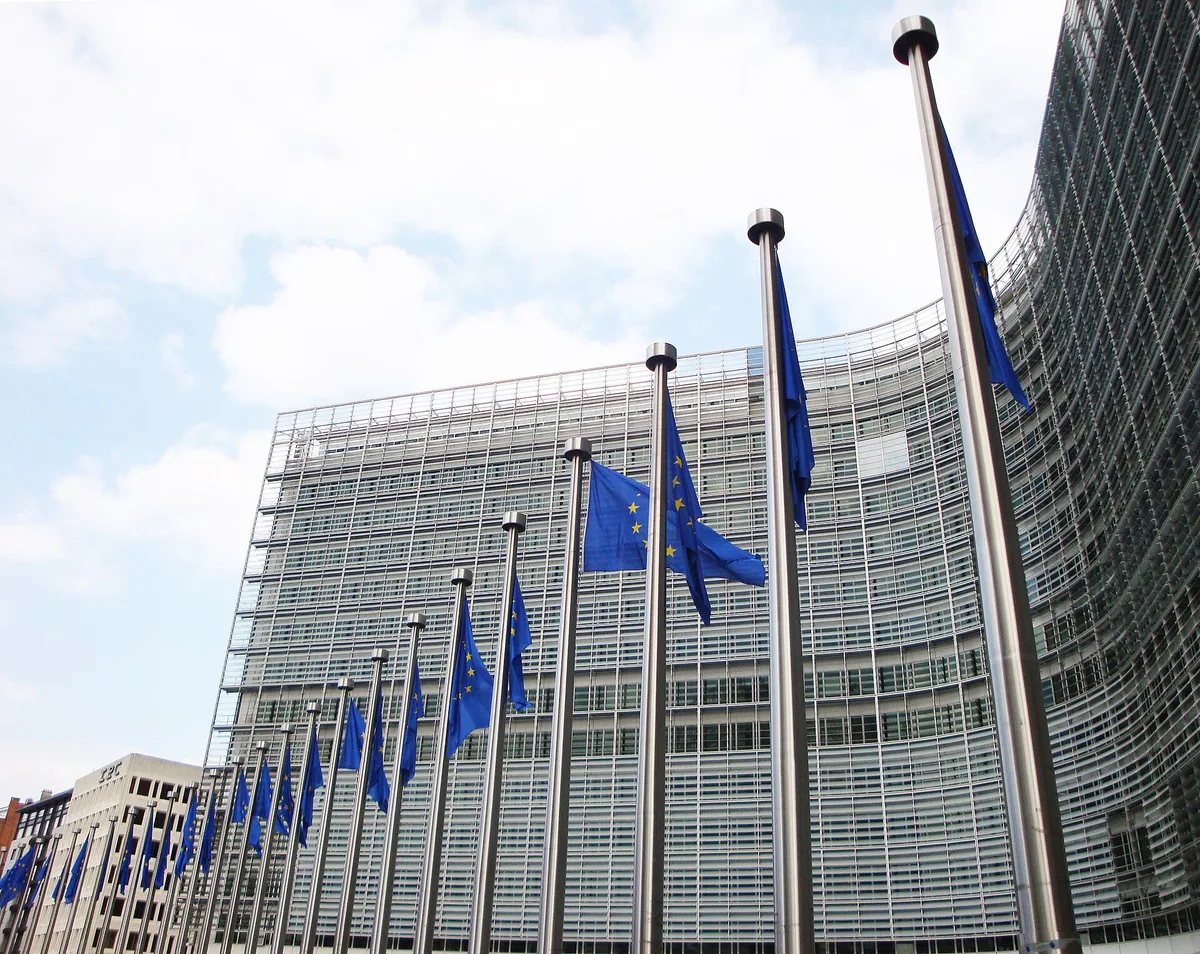
The European Commission presented the second annual STEP report on 19 November. It reports €23.9 billion directed towards its priorities by the end of 2025 and 614 projects awarded the STEP Seal. Agence Europe covered the findings the following day. These figures should not be read as money already paid in full to beneficiaries.
A European progress report is not an open funding call
The report describes a platform connecting technology priorities with funding instruments. For a business, that information helps explain a direction in public policy. It does not, on its own, settle questions about eligible recipients, geography, covered expenditure or when a project should be submitted. Those conditions belong to the documentation of the particular instrument.
A sequence must be preserved when reading large announcements: resources directed towards a priority, projects assessed, funding decisions and payments. These are different stages. Reporting them as interchangeable can create a misleading expectation about money actually available to a business. An aggregate figure should therefore be read alongside its definition and reference period.
Technology needs its own business justification
In a fictional scenario, a company wants to automate document reading. Its need may be clearly identified, but an application should not begin and end with a shopping list of tools. The existing work, observed difficulties, intended change and method of tracking results need explanation. This is a proposal for project preparation, not a statement of STEP eligibility.
Execution effort matters too. Who will reorganise the documents? How will cases requiring human review be handled? Which parts of the system will need maintenance after installation? An initial quotation can leave those activities insufficiently visible. Including them helps establish whether the business can execute the project, with or without external support.
Confirmed costs should also be distinguished from estimates and conditions dependent on third parties. If an integration requires access to another system, that dependency should be clarified before being presented as resolved. Preparation benefits more from an identified uncertainty than from a certainty without documentary support.
A strategic signal differs from a financial commitment
The official report deserves to be read as a progress assessment with its own categories, rather than an individual promise. A European priority may justify following future instruments. A financial commitment by a business requires closer examination of applicable rules and its ability to sustain the project.
In my view, a useful response to this news is to turn curiosity into a working brief: problem, objective, investment, team, dependencies and missing information. The next step is to find a suitable instrument. Funding then becomes part of a decision that already has a foundation, rather than replacing the reason to invest.
From a headline figure to a business decision
An announcement of this scale deserves attention, but I would avoid starting an investment decision with the funding on offer. I would begin with the problem the business wants to solve, the intended outcome and its ability to deliver the project.
Only then would I look for a compatible instrument. This requires separating three things that a news story can easily blur: a policy priority, a call’s conditions and approval of an application. A seal should not be treated as guaranteed funding either.
The brief I would prepare
I would set out the project objective, planned activities, necessary resources and costs still requiring confirmation on one page. I would add the official call, managing authority, eligible applicants and deadlines. If any element remained unknown, the decision would remain open.
In a fictional document-process modernisation project, the business would need to explain which information it intends to organise, who will use the system and how it will check whether the process improved. Buying software would be part of the project, rather than its entire justification.
An opportunity needs an applicable framework
I read this report as a signal about European priorities, rather than a promise of individual support. A supplier quotation does not establish eligibility; a news report does not replace an instrument’s rules.
Before incurring expenditure or forecasting funding, I would check the official documents and consult the responsible authority. The best opportunity is one the business can properly frame, deliver and monitor with evidence of the work completed.
Sources consulted
- STEP — second annual report announcementEuropean Commission. Date stated by the source: . Accessed: .
- Second annual report on STEP — COM(2026) 624European Commission. Date stated by the source: . Accessed: .
- €23.9 billion mobilised for strategic technology projectsAgence Europe. Date stated by the source: . Accessed: .